

Why STS Exist: Hear Ashanti Bell’s Story
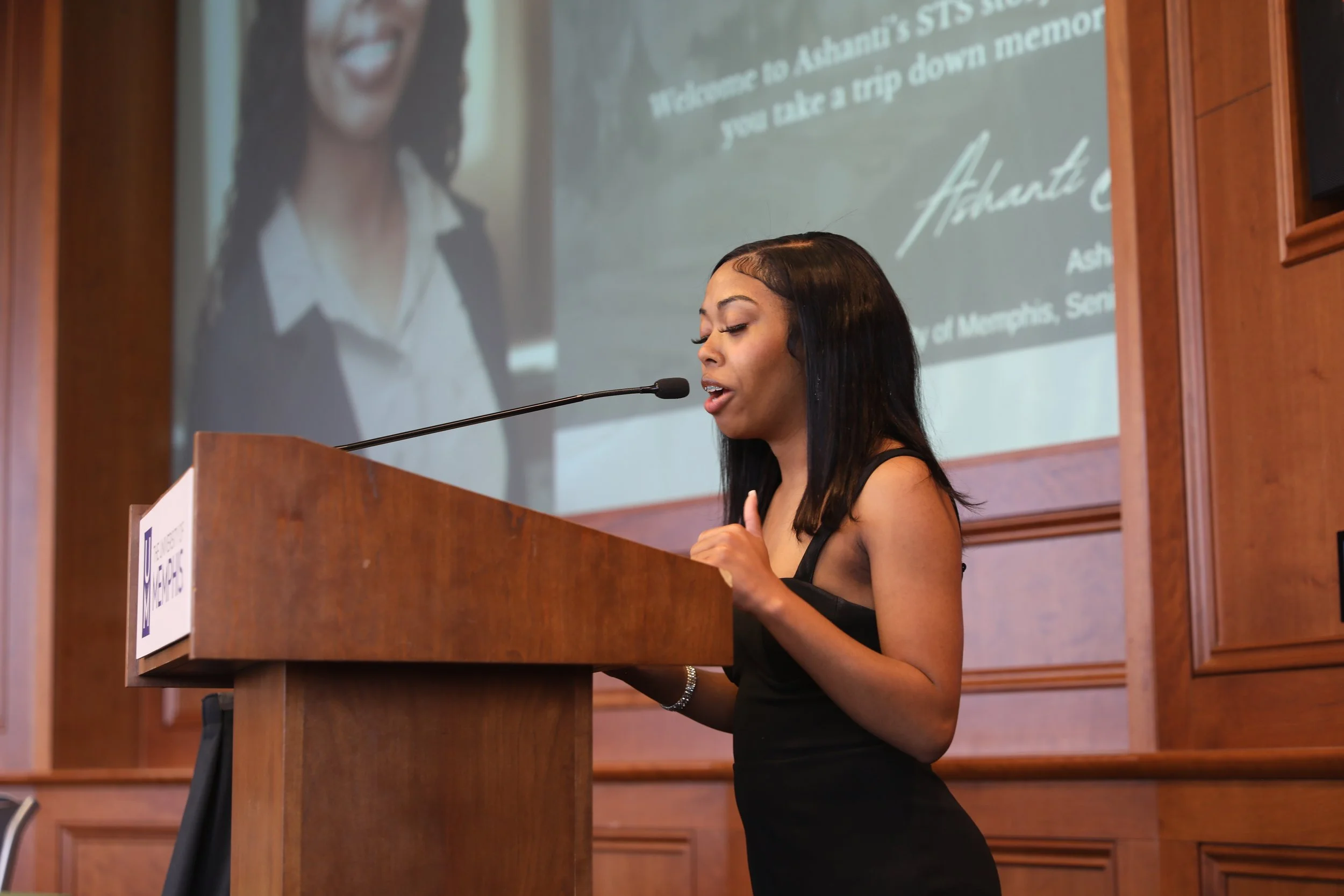
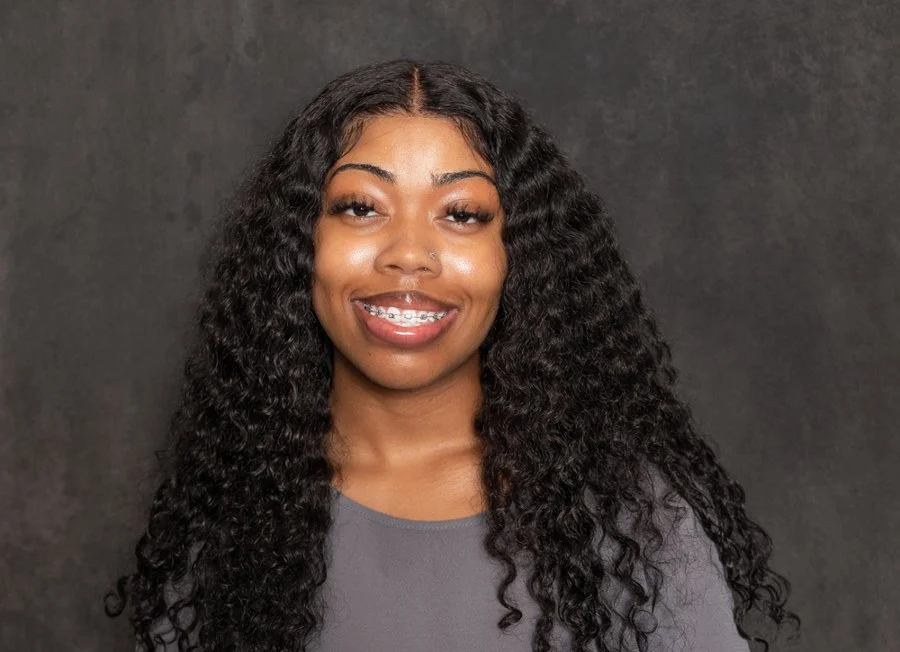
When Ashanti Bell arrived on campus as a freshman from Chattanooga, Tennessee, she had a clear goal of becoming a nurse. As a first-generation and out-of-town college student, she knew the path would not be easy, but she was determined. Early on, Ashanti joined STS and participated in the STS Elite Collegiate Program, where she completed our foundational coursework in career exploration and self-leadership.
For four years, STS became more than a program. It became her community.
Ashanti's hard work paid off in her junior year when she received acceptance into nursing school. Shortly after, she encountered unexpected obstacles that ultimately required her to withdraw. For many students, especially first-generation students, this moment can be devastating. Being forced to pivot away from a career you worked so hard toward often brings anxiety, depression, self-doubt, and, in many cases, complete withdrawal from school altogether.
The difference for Ashanti was support, tools, and clarity.
Because she had been part of STS since her freshman year, Ashanti already had something in place. She had a trusted community, a caring coach and mentor, and her STS Career and Self Leadership Assessment that she completed years earlier. When life threw her off course, she was not starting from zero, and she was not alone.
With encouragement from her peers and guidance from the STS Elite team, Ashanti revisited her assessment results and explored new pathways that aligned with her strengths and interests. Instead of seeing the setback as the end, she viewed it as a new chapter. Ashanti made the courageous decision to change her major from nursing to health studies.
Two years later, that pivot proved Powerful.
Ashanti embraced her new career path, completed an internship at Vitalant to gain hands-on work experience, and graduated from the University of Memphis with a bachelor’s degree in Health Studies. Even before graduation, she secured a position with the Shelby County Health Department as a sexually transmitted disease specialist.
Today, Ashanti is pursuing her master’s degree in Public Health Administration at the University of Memphis, working full-time at Amazon in her career field, and remaining actively engaged with STS.
This is why STS exists.
We do not have to wonder what might have happened if Ashanti had not had support. The data tells us. Nationally, more than half of students who start college do not complete a degree within eight years, and more than 43 million Americans fall into the "Some College, No Credential" category. Far too often, obstacles become endings.
At STS, we focus on a different question. How far can a student go when they have the support, encouragement, tools, resources, and self-efficacy to persist when life gets hard?
Ashanti’s story shows us the answer.
Her obstacle did not stop her. It did not define her. It became part of a bigger story rooted in resilience, clarity, and purpose.
As we say at STS, we prepare teenagers and young adults for careers that enable them to live lives they can be proud of.
And we are committed to creating many more stories like Ashanti’s.